By Ally Schueller
:: November 12, 2026
Music and fashion have been inextricably linked for decades. Whether it’s the leather jackets and ripped jeans associated with rock music or the distressed denim and Chuck Taylors popularized by grunge, what people listen to often influences what they wear. Music gives people a way to express themselves, and fashion allows them to bring that expression into their everyday lives. Throughout the years, musicians have become more than just entertainers; they’ve become trendsetters who influence how entire generations dress, look, and express their identities.
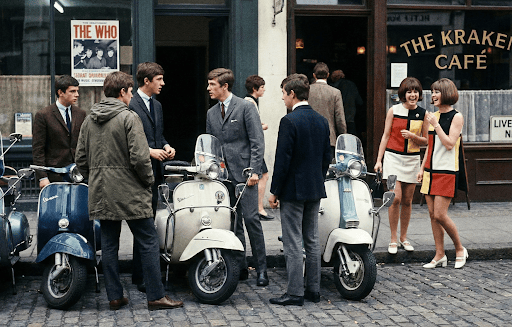
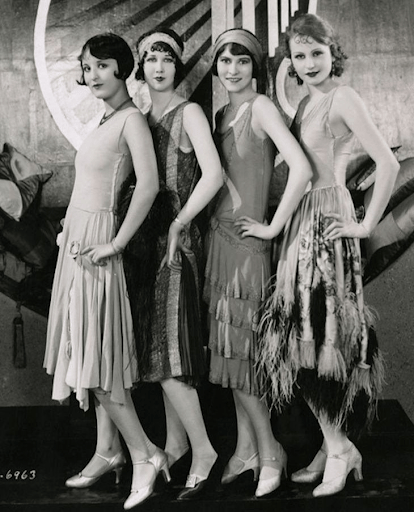
Each decade had some major style trends, but that doesn’t mean they were the only ones around. During the 1920s, jazz music became increasingly popular, bringing with it the rise of the flapper movement. Flapper fashion, characterized by shorter dresses, fringe, and bobbed hairstyles, reflected the changing attitudes and growing independence of young women during this time. A few decades later, the 1960s brought another major shift, as music and fashion became closely tied to youth culture. The popularity of British bands helped inspire the Mod movement, known for its tailored suits, bold patterns, and colorful clothing. Meanwhile, the rise of psychedelic rock and the hippie movement brought bell-bottoms, tie-dye, and more free-spirited styles into mainstream fashion.
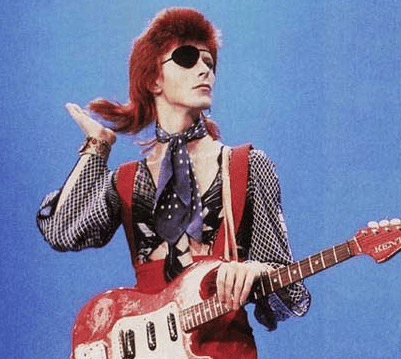
Later in the 20th century, the aesthetic shifted as new sounds came to the forefront. The 1970s punk movement, for example, used fashion as a way to challenge traditional expectations and express rebellion. Leather jackets, ripped clothing, band T-shirts, and unconventional hairstyles became recognizable parts of punk culture. At the same time, glam rock artists like David Bowie pushed fashion boundaries with extravagant outfits, makeup, and bold appearances. Pop music also played a major role in shaping fashion, with artists like Madonna becoming known for their distinctive personal styles. These musicians demonstrated that clothing could be just as much a part of an artist’s identity as their music.
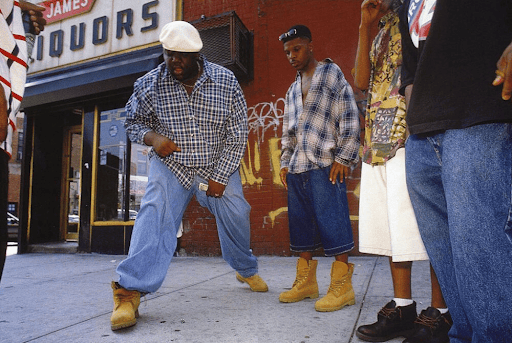
Another genre that has had a lasting influence on fashion is hip-hop. Emerging in the 1970s, hip-hop culture helped introduce styles that eventually became staples of mainstream fashion. Oversized clothing, baggy jeans, tracksuits, sneakers, and bold accessories became closely associated with the genre. As hip-hop grew in popularity, artists began influencing more than just music, helping popularize clothing brands and sneaker styles that people around the world wanted to wear. Today, streetwear remains a major part of the fashion industry, showing just how lasting the influence of hip-hop has been.
In today’s world, social media has completely changed the way music influences fashion. Platforms like TikTok, Instagram, and Pinterest make it easier than ever to discover new styles and take inspiration from different musical genres and subcultures. Someone who has never attended a punk concert, for example, can still explore and incorporate elements of punk fashion into their everyday wardrobe. Social media has also made fashion trends spread much faster than they once did. An outfit worn by a popular musician or featured in a viral music video can inspire thousands of people almost overnight. While this makes fashion more accessible and encourages creativity, it also means trends come and go at a much quicker pace. Styles that once defined entire generations can now become popular for a few months before something new takes their place.
Despite how quickly trends change, one thing remains consistent: music continues to be one of the biggest influences on how people express themselves through fashion.
::

Ally is lifelong WDCE exec member, dedicated to music, fashion, and above all, sharing her historical knowledge! Tune into The Jam Jar at 4pm on Fridays to experience her expertise for yourself !!
Consider reaching out… what could you write about? Consider writing a blog.
Send submissions to wdcemd@gmail.com !!

Leave a Reply